Myelodysplastic syndromes
A group of blood cancers in which the bone marrow makes blood cells that do not grow into healthy ones. Too few healthy blood cells can lead to infection, anaemia or easy bleeding. Treatment ranges from blood transfusions and medicines to strong chemotherapy with a stem cell transplant, which can cure some people. It is rare and more likely after age 60, or after chemotherapy or radiotherapy for another cancer.
Read more about myelodysplastic syndromesTrial-stage treatments and research studies you can join
Filters
- Tests venetoclax with chemotherapy for newly diagnosed acute myeloid leukemia
Tests venetoclax added to chemotherapy in adults newly diagnosed with acute myeloid leukemia.
Antwerp, BelgiumAlso Leuven, Roeselare, YvoirAge 18 to 75 - Elritercept Compared With Epoetin Alfa for Anemia in Lower Risk Myelodysplastic Syndromes
Compares elritercept with epoetin alfa for anemia in adults with myelodysplastic syndrome needing transfusions.
Leuven, BelgiumAlso RoeselareAge 18+ - Testing REGN17235 in adults with a low-risk blood disorder and an SF3B1 gene change
Tests REGN17235 for safety in adults with low-risk myelodysplastic syndrome with an SF3B1 mutation.
Antwerp, BelgiumAlso Leuven, RoeselareAge 18+ - Tests lisaftoclax with azacitidine for newly diagnosed higher-risk myelodysplastic syndrome
Tests lisaftoclax plus azacitidine against placebo in adults with newly diagnosed higher-risk myelodysplastic syndrome.
Antwerp, BelgiumAlso Brasschaat, Leuven, RoeselareAge 18+ - Tests bezuclastinib in adults with advanced systemic mastocytosis
Tests bezuclastinib in adults with advanced systemic mastocytosis, a rare blood disease.
Liège, BelgiumAge 18+ - Long-term safety of luspatercept in people from earlier luspatercept studies
Continues luspatercept treatment and follow-up in adults with anemia-related blood disorders.
Brasschaat, BelgiumAlso Bruges, Ghent, LeuvenAge 18+ - Tests enzomenib in people with acute leukemia or related blood cancers
Tests enzomenib, a new drug, in people 12 and older with acute leukemia.
Antwerp, BelgiumAlso Ghent, Leuven, RoeselareAge 12+ - Compares two preparation treatments before stem cell transplant for blood cancers
Compares two conditioning regimens before donor stem cell transplant in adults with blood cancers.
Anderlecht, BelgiumAlso Antwerp, Jette, Leuven, RoeselareAge 18 to 75 - Tests CYAD-02 dose in adults with returned acute myeloid leukemia or myelodysplastic syndrome
Tests a cell therapy, CYAD-02, after chemotherapy in adults with returned leukemia or myelodysplastic syndrome.
Leuven, BelgiumAlso Liège, RoeselareAge 18+ - Testing JNJ-95804306 in Blood Cancers That Returned or Did Not Respond to Treatment
Tests JNJ-95804306 for safety in people with relapsed or treatment-resistant blood cancers.
Edegem, BelgiumAlso Leuven
Trials that have ended are not listed here, because nobody can join them. Stopped and finished Myelodysplastic syndromes trials (research view)
Where treatment stands
Some patients can be cured with strong chemotherapy and a stem cell transplant from a donor. For others, treatment may slow the disease from getting worse.
In the EU, imetelstat and efbemalenograstim alfa were first approved in 2025 and 2024, not always for this disease.
Approved: 13
Officially approved for this disease in the EU, the US, Switzerland or France.
Human testing stage: 11
Being tested in people. Many treatments at this stage are never approved.
Animal testing stage: 3
Worked in animals in a study published in the last 12 months. Most treatments at this stage never reach people.
Placebo: a dummy treatment without the medicine, used for comparison.
Phase 1, 2, 3: the steps of testing in people. Phase 1 checks safety, phase 3 is the last step before approval.
The EU medicines agency (EMA) and its list of medicines in the EU, US prescribing labels (DailyMed, openFDA), the Swiss medicines register (Swissmedic), the French medicines database (ANSM) and the Health Canada drug database, checked on 11 November 2026. Every medicine links to its own official text.
A computer made this list from the official texts: it kept only medicines whose own approval text names the disease, wrote "Who it is for" from that text and checked it against the text a second time. People have not reviewed it yet.
The trials: ClinicalTrials.gov and the EU trials register, as copied into our trial database, checked on 12 November 2026. Every treatment in trials links to its own trial records; the texts are written by AI from them and checked against them by a second AI. People have not reviewed them yet. Placebo, standard medicines used for comparison and procedures are left out.
Phase 3 trials are listed from every country; only some phase 2 trials are listed, so 128 other open phase 2 trials are not listed.
Animal and lab research: studies listed in PubMed and published in the 12 months before 12 November 2026, found by a search for myelodysplastic syndromes. AI chose the treatments from the study summaries and wrote the texts; a second AI checked each one against its study summary. People have not reviewed them yet. Treatments already in the approved or human testing lists are left out. A result in animals or cells does not show that a treatment works in people.
Not medical advice. Talk to your doctor before you change any treatment.
The approval records under a medicine come from Drugs@FDA and the FDA labels (openFDA) and from the EU medicines agency’s medicine data, with its orphan designations, checked on 13 Nov 2026. A date is the medicine’s first approval, for any use; the quoted text is its approved use as written today.
Support organisations
Patient organisations and helplines in Belgium, for you and your family.
Myelodysplastic syndromes organisations in Belgium
- Cancerinfo – Fondation contre le Cancer
Free Belgian cancer information line of the Foundation Against Cancer for patients, relatives and the public with questions about cancer.
- Kankerlijn – Kom op tegen Kanker
Free Flemish cancer line where (former) cancer patients and relatives can anonymously get a listening ear, expert advice or information.
- Kom op tegen Kanker
Flemish cancer charity (ECL member) working to prevent, fight and ease cancer, supporting patients and relatives and advocating for better cancer policy.

General support in Belgium
- Centre de Prévention du Suicide
Francophone Belgian centre offering a free 24/7 suicide prevention listening line (0800 32 123) and support at every stage of suicidal crisis.
- Zelfmoordlijn 1813
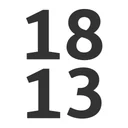
Anonymous, free suicide prevention line for Dutch-speaking Belgium (phone 1813 and chat), run by the Flemish Expertise Centre for Suicide Prevention.
- Federale Ombudsdienst Rechten van de patiënt
Federal mediation service (FPS Public Health) handling complaints about patient rights in care outside hospitals, e.g. GPs, dentists, home nurses.


International organisations
- Aplastic Anemia and MDS International Foundation
Foundation supporting patients and families with aplastic anemia, MDS and related bone marrow failure diseases.
- DKMS
Finds blood stem cell donors worldwide so that people with blood cancer can have a transplant.
- MDS Foundation
US-based global nonprofit supporting patients with MDS and related diseases such as AML, their families and providers, with education, resources and support.

Offer tissue or data
There are three ways to help research move faster.
Approved treatments
17 medicines are approved for myelodysplastic syndromes in at least one of the places we checked. An approval in one place does not mean the medicine is offered or paid for where you live.
Checked on 11 Nov 2026 in the official lists of the US (FDA), the EU (EMA), Japan (PMDA, approvals since April 2004), Switzerland (Swissmedic), France (ANSM, medicines approved in France only) and Taiwan (TFDA). For Canada (Health Canada) and Singapore (HSA) we checked only whether a medicine is sold there, not what for. 6 uncertain matches are left out. Other countries' own approvals were not checked.
“Miracle cure” fact checker
Social media spreads misinformation. Paste here what you read, and we'll tell you whether there is scientific evidence behind it.
What you paste is checked with AI (Anthropic, USA) and is not stored. Please leave out names and other personal details.
Before you pay for anything, ask three things
- Is there a published study in people?
- Can I have the full price in writing?
- What does my doctor say?
“Cures” others already fact-checked
- CBD (cannabidiol) & Myelodysplastic syndromes
- Ivermectin & Myelodysplastic syndromes
- Fenbendazole & Myelodysplastic syndromes
- Vitamin C (incl. high-dose) & Myelodysplastic syndromes
About myelodysplastic syndromes
Sources: NCI PDQ, MedlinePlus, The Lancet Oncology
A group of blood cancers in which the bone marrow makes blood cells that do not grow into healthy ones. Too few healthy blood cells can lead to infection, anaemia or easy bleeding. Treatment ranges from blood transfusions and medicines to strong chemotherapy with a stem cell transplant, which can cure some people. It is rare and more likely after age 60, or after chemotherapy or radiotherapy for another cancer.
What is it?
Myelodysplastic syndromes (MDS) are a group of blood cancers. Normally, stem cells in the bone marrow grow into healthy red cells, white cells and platelets. In MDS many of them do not mature and die in the marrow. This leaves too few healthy blood cells, which can lead to anaemia (too few red cells), infections and bleeding.
MDS is rare and mostly affects older people: half are about 70 or older when they find out. In most people the cause is not known. The risk is higher after chemotherapy or radiotherapy for another cancer, and after contact with tobacco smoke, some chemicals (such as benzene, pesticides or fertilisers) or heavy metals such as lead and mercury.
The first signs
MDS often causes no early signs and is sometimes found by a routine blood test.
- feeling weak or tired;
- shortness of breath;
- skin that is paler than usual;
- bruising or bleeding easily, or tiny spots under the skin caused by bleeding;
- fever or infections that keep coming back.
How doctors find out
Blood tests count the red blood cells, white blood cells and platelets. A bone marrow test takes a small sample of marrow with a needle, and a lab checks it for abnormal cells and chromosome changes. Some of these tests, such as checking the chromosomes, help plan treatment.
Current treatment
Treatment depends on several factors. It can include transfusions, medicines that help make red blood cells, and antibiotics for symptoms; lenalidomide or azacitidine and decitabine for some people; and chemotherapy with a donor stem cell transplant for certain patients.
Will it get worse?
Prognosis (chance of recovery) and treatment options depend on certain factors. How it goes depends on how many immature cells (blasts) are in the marrow, how many kinds of blood cells are low, certain chromosome changes, whether it followed earlier cancer treatment, and your age and general health. Some types of MDS can turn into acute myeloid leukaemia (AML).
Medicines: what helps, and what to watch for
Supportive care eases the problems caused by the disease. It can include red blood cell or platelet transfusions, medicines that help the body make more red blood cells, and antibiotics to fight infection. Azacitidine or decitabine can slow the change to AML. Lenalidomide helps some people with a certain chromosome change (del(5q)) need fewer transfusions. People at high risk of AML may get the same chemotherapy as for AML.
Good to know:
- Many transfusions can build up too much iron in the body and harm organs; medicines can remove the extra iron;
- You can join a clinical trial before, during or after treatment, and some trials take only people who have not started treatment.
A transplant, for some people
Some people can be cured with strong chemotherapy followed by a stem cell transplant from a donor, which gives them healthy blood-forming cells. It may not work as well when MDS was caused by earlier cancer treatment.
Is there a cure?
For some people, yes: strong chemotherapy with a donor stem cell transplant can cure certain patients. There is no standard treatment when MDS comes back or stops responding. Clinical trials are testing new treatments.
Median survival
About 2 years with azacitidine, in higher-risk MDS
Measured in: Higher-risk myelodysplastic syndromes: a phase III trial of azacitidine against conventional care (358 patients)
The figures behind it
Phase III trial in higher-risk myelodysplastic syndromes (358 patients): median overall survival 24.5 months with azacitidine vs 15.0 months with conventional care regimens. Lower-risk MDS is not part of this figure.
Sources
Written in plain words by Frontlight from these pages:
- NCI PDQ: Myelodysplastic Syndromes Treatment (PDQ®) – Patient Version
- MedlinePlus: Myelodysplastic Syndromes
- NCI PDQ: Myelodysplastic Syndromes Treatment (PDQ®) – Health Professional Version
- The Lancet Oncology: Efficacy of azacitidine compared with that of conventional care regimens in the treatment of higher-risk myelodysplastic syndromes: a randomised, open-label, phase III study